Endoscopic surgery in gynecology uses a thin camera and instruments through small openings — or through the vagina — so the uterus, ovaries and pelvis can be examined and treated without a large cut. At Continental Hospitals, Gachibowli, Hyderabad, Dr. T. Rajeshwari Reddy offers gynecological endoscopic procedures that typically include laparoscopy and hysteroscopy.
What is gynecological endoscopic surgery?
Unlike gastrointestinal endoscopy (colonoscopy or gastroscopy), gynecological endoscopic surgery focuses on the female reproductive organs. Two main approaches are used:
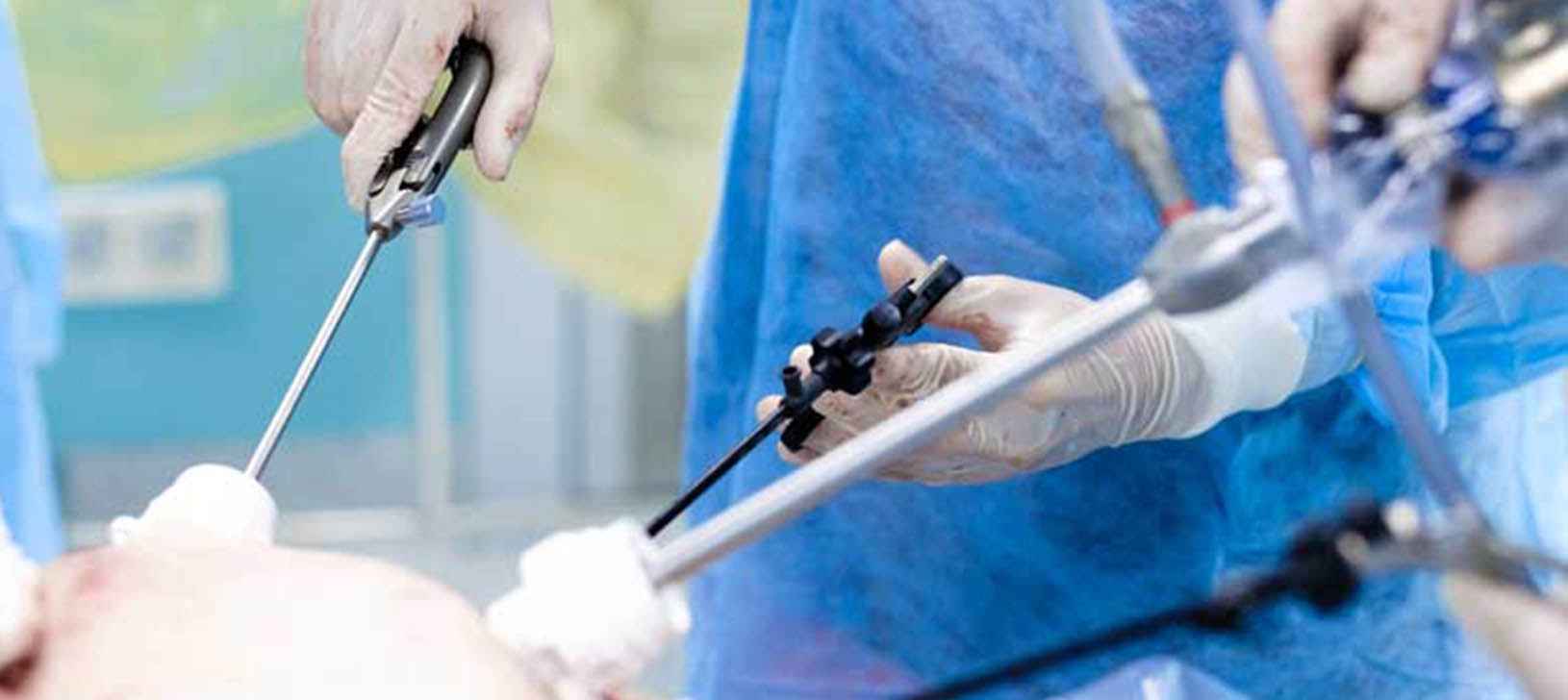
- Laparoscopy — a camera enters through tiny abdominal incisions to treat conditions such as ovarian cysts, endometriosis, ectopic pregnancy and to perform hysterectomy or myomectomy when appropriate.
- Hysteroscopy — a camera passes through the cervix to see and treat problems inside the uterine cavity, such as polyps, submucosal fibroids, adhesions or a misplaced IUD.
Both are forms of minimally invasive surgery. The choice depends on where the problem is and what treatment is needed.
Conditions commonly treated with endoscopic surgery in Hyderabad
- Endometriosis and pelvic adhesions
- Ovarian cysts and selected fertility-related findings
- Uterine polyps, septum and intrauterine adhesions (via hysteroscopy)
- Fibroids suitable for laparoscopic or hysteroscopic removal
- Diagnostic evaluation when imaging alone is not enough
For endometriosis that needs advanced excision, see also robotic surgery for endometriosis in Hyderabad.
Benefits patients often discuss
- Smaller or no abdominal incision compared with open surgery
- Clear magnified view of pelvic or uterine structures
- Typically shorter hospital stay and earlier return to routine activity when recovery is uncomplicated
- Ability to diagnose and treat in the same sitting in many cases
Who may be a candidate?
Suitability is decided after history, examination and imaging (ultrasound, and MRI when needed). Active pelvic infection, certain cancers, or pregnancy may mean another approach is safer. Dr. Reddy reviews risks, alternatives and expected recovery before recommending a procedure.
What to expect at Continental Hospitals, Gachibowli
Most planned gynecological endoscopic procedures are day-care or short-stay. You will receive fasting and medication instructions beforehand. After surgery, mild cramping or spotting can occur; follow-up guidance covers pain relief, activity limits and when to seek urgent care.
Frequently asked questions
Is endoscopic surgery the same as laparoscopy?
Laparoscopy is one type of endoscopic surgery. In gynecology, “endoscopic” usually covers both laparoscopy (abdomen) and hysteroscopy (inside the uterus).
How is this different from open surgery?
Open surgery uses a larger abdominal incision. Endoscopic approaches use small ports or the natural vaginal route, which often means less tissue trauma when the case is suitable for a minimally invasive method.
How do I book endoscopic surgery consultation in Hyderabad?
Book a consultation with Dr. T. Rajeshwari Reddy at Continental Hospitals, Financial District / Gachibowli, via the appointment page or by calling the clinic. Bring prior reports so the right approach — laparoscopy, hysteroscopy, or another option — can be planned.